

Armageddon Time?
Sushant Singh on the implications of the omnishambles

Pakistan cricket exists in the same disorder that grips the Pakistani state. It is a world of barely‑functional institutions, political opportunists and fragile egos. Administrators come and go with every regime change in Islamabad. Selectors act to please factions, not to build teams. Players, uncertain of their future, survive on instinct and bravado. Beneath the slogans about revival and pride, there is no structure capable of self‑governance. The national team remains a symptom of a larger political sickness — a mix of insecurity, factionalism, and dependence on power that can turn even a routine fixture into a existential crisis.
It is a kind of hell‑hole not because the country lacks cricketing talent, but because it has destroyed the conditions under which talent can thrive. The government of Pakistan’s decision announced on Sunday — its cricket team will play the ICC T20 World Cup 2026 but will refuse to take field against India on 15 February — is a fresh example of that delirious dysfunction. It is the posture of a dependent that wishes to be seen as defiant. Technically speaking, the Pakistan Cricket Board is executing a government diktat. But the Pakistan Cricket Board chief is the country’s interior minister Mohsin Naqvi and its patron the prime minister Shehbaz Sharif. Their grandstanding has risked the survival of the game in that country.
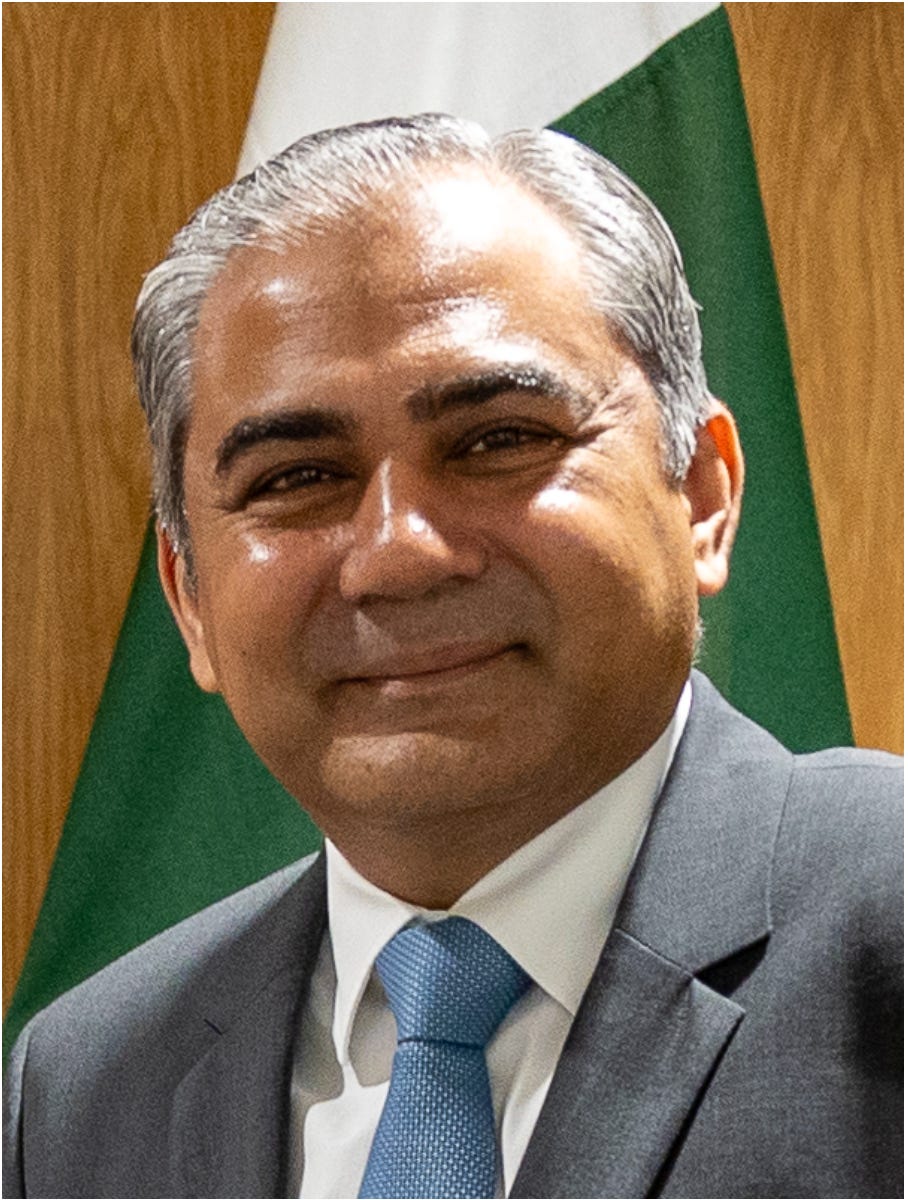
Having signed the Member Participation Agreement, a legally binding document for the T20 world cup, this PCB move will likely invite serious ICC sanctions. These could include suspension from bilateral cricket, denial of No Objection Certificates to overseas players for the Pakistan Super League, and possible exclusion from the Asia Cup. Pakistan’s gambit is a surprise because, following India’s refusal to play the Champions Trophy in Pakistan, a hybrid model had been arrived at in December 2024 which would see the two countries playing each other only on neutral turf until at least 2027. That is how they were playing their match in Sri Lanka.
Across the border, however, a more potent and deliberate danger to the sport has crystallized. Because pointing out Pakistan’s dysfunction does not justify India’s actions. If Pakistan’s problem is chaos and incompetence, India’s is something more sinister, systematic, and corrosive to the sport itself. The Board of Control for Cricket in India is no longer a sporting body. By aligning its conduct with the political mood of Narendra Modi’s regime, the BCCI functions largely as an arm of the Hindutva state, a sophisticated instrument of majoritarian politics. But its actions are now undermining international cricket’s long-established institutions. Pakistan’s chaos is a tragedy for its own fans; the BCCI’s calculated weaponisation of the sport is a global threat.
Keep reading with a 7-day free trial
Subscribe to Cricket Et Al to keep reading this post and get 7 days of free access to the full post archives.
 | A guest post by
|