

India Sneezes, World Catches Cold
SS on the JioStar fiasco

The cricket world has been transfixed by the Ashes. But beneath the wreckage of Bazball, a more consequential crisis is brewing, one that should alarm anyone who cares about the future of the sport. JioStar, the Reliance Disney joint venture that paid USD 3 billion for the Indian broadcast rights to ICC events through 2027, has told the International Cricket Council it cannot sustain the four-year deal and will exit two years early.
The reversal is stunning, and it will hurt global cricket. India accounts for close to 80% of ICC revenues; outside India and, to a lesser degree, England, most member boards build their budgets on projected distributions from those Indian media rights. Two major ICC tournaments—the men’s Twenty20 World Cup in early 2026 and the 2027 ODI World Cup—depend heavily on those projections. For now, plans for the T20 event look intact after JioStar unveiled its World Cup teaser in India on Tuesday evening. But the underlying model has cracked.
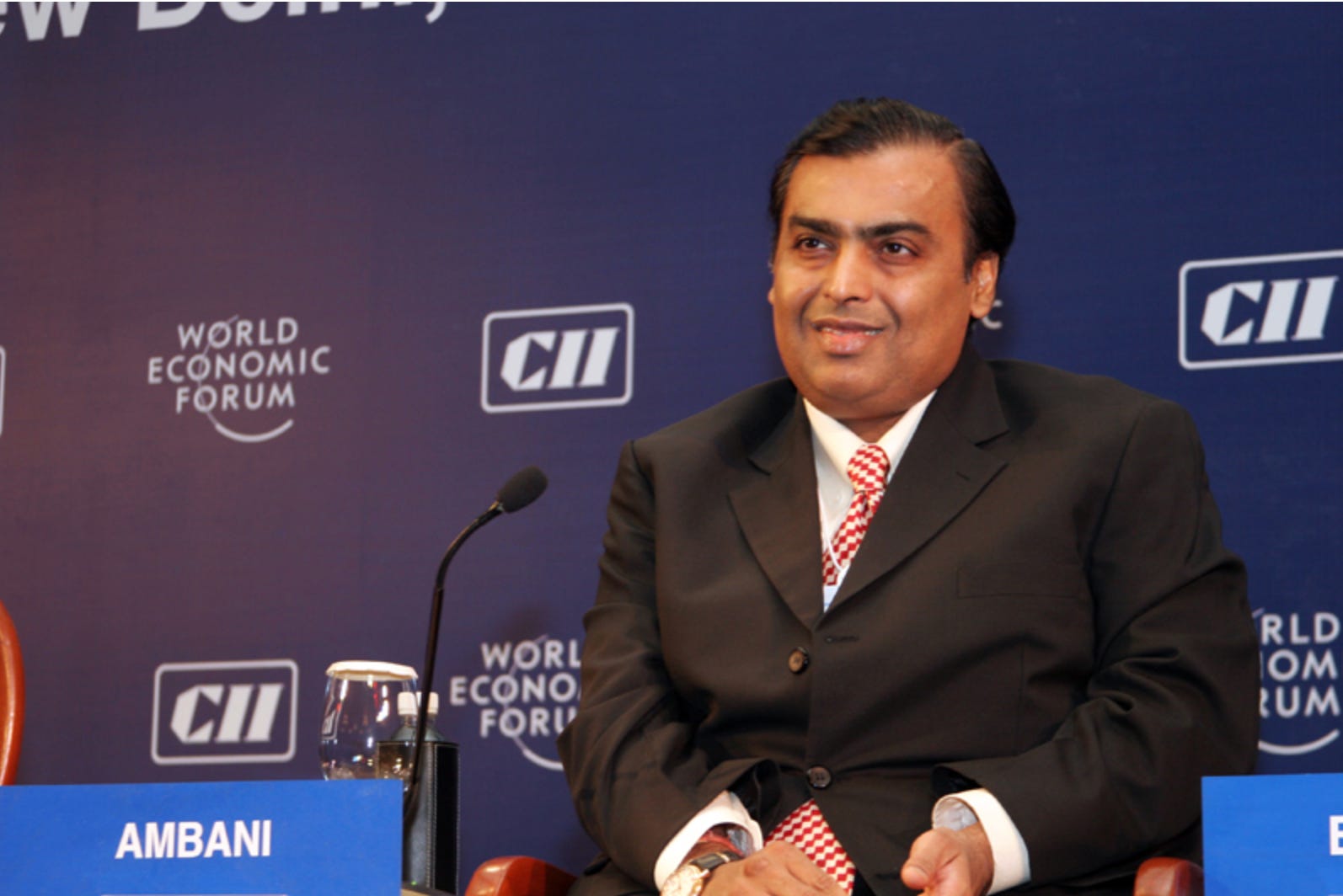
First, some background. The USD 3 billion contract was inherited by Jio, controlled by Asia’s richest man Mukesh Ambani (above) from Star India after its merger with Disney’s India networks roughly a year ago. At the bidding stage, Sony Pictures Networks India had been the second-highest bidder at around USD 1.6 billion; Jio itself is understood to have bid only about 900 million. But Star’s commercial relationship with the ICC dates back to 2007. Its partnership with the Board of Control for Cricket in India followed in 2011, and IPL rights arrived even later, in 2018.
The numbers do not look good. In anticipation of mounting losses, JioStar has sharply increased provisions on its sports portfolio. Provisions for expected losses on sports contracts rose from INR 12,319 crore (USD 1.46 billion) in FY 2023–24 to 25,760 crore (USD 3.05 billion) in FY 2024–25. In a separate regulatory filing, Star India reported a net loss of INR 12,548 (USD 1.48 billion) crore for the year ending 31 March 2024, largely driven by a 12,319 crore (USD 1.46 billion) provision related to ICC media rights. The ICC, for the record, had a surplus of about 474 million dollars for 2024.
Yet the crisis is not rooted in Indians suddenly falling out of love with cricket. Rather, it exposes fundamental fault lines in India’s economy, governance, and the manner in which concentrated power shapes global cricket. It is about the collision between India’s domestic political economy and a global sport that has allowed itself to depend on one great market, one ineffective regulator, and increasingly on one conglomerate.
Keep reading with a 7-day free trial
Subscribe to Cricket Et Al to keep reading this post and get 7 days of free access to the full post archives.
 | A guest post by
|