

Life on the Brink
SS on cricket's latest brush with realpolitik

The structure of global cricket bends around the gravitational mass of India. But the stand off over the T20 World Cup, ostensibly resolved, provided a variation on this familiar theme, Pakistan successfully turning its fixture with India into a veto. The ten-day crisis had threatened the tournament’s financial foundation and exposed how vulnerable global cricket has become to political brinkmanship disguised as principle.
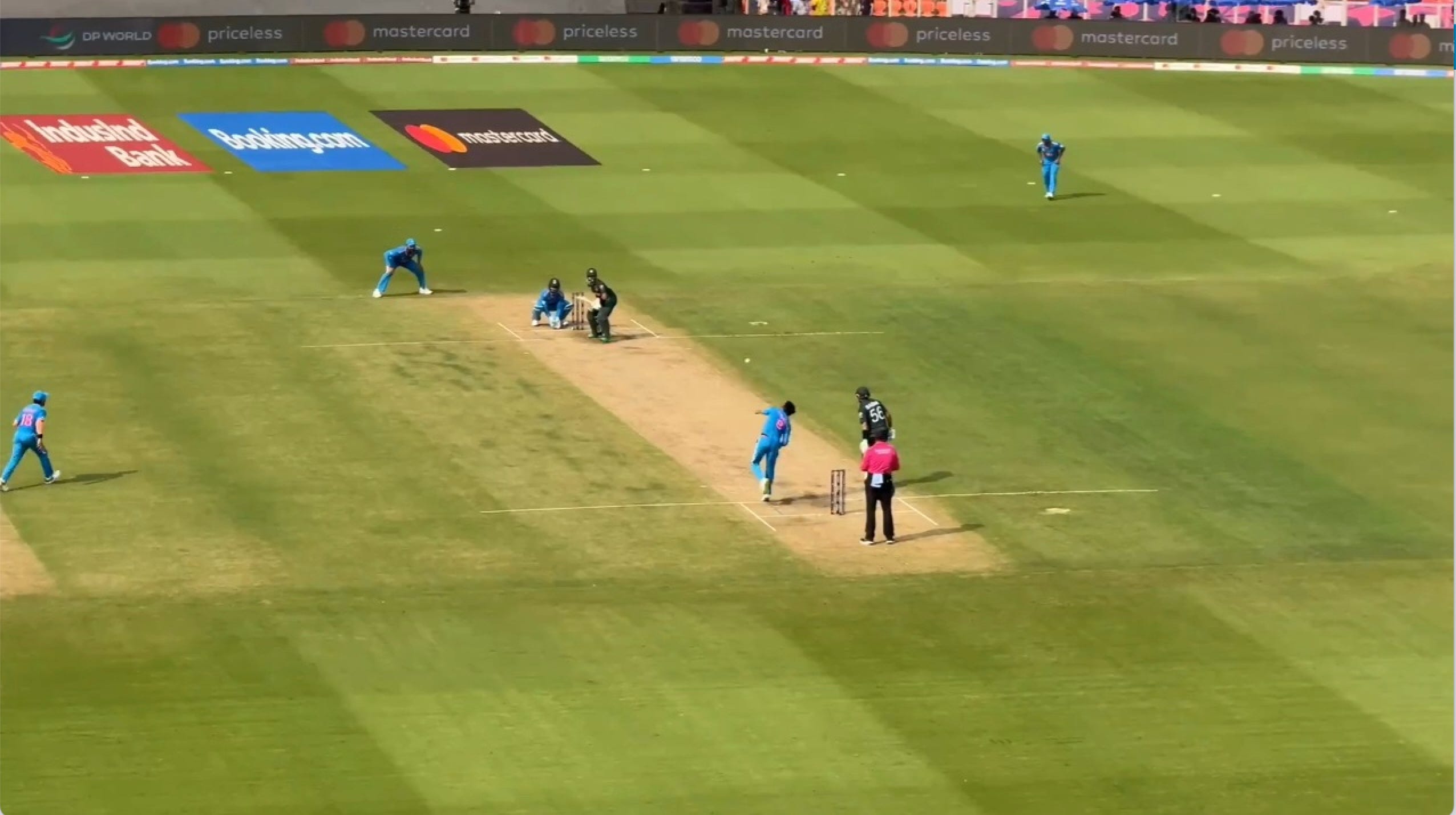
Pakistan’s boycott threat was not a moral stand about Bangladesh’s exclusion from tournament, nor a principled intervention against the politicisation of South Asia’s most popular sport. It was about leverage. It was a reminder that no one can afford an India–Pakistan outage, least of all an International Cricket Council whose most lucrative fixture is also its most fragile one, and whoever can disrupt it holds power far beyond their on-field competitiveness.
India versus Pakistan is the event; everything else is programming around it. The match generates revenues that sustain ICC distributions to smaller cricket nations worldwide. When the ICC warned Pakistan that selective participation undermines the “fundamental premise” of a global tournament and jeopardises the broader “cricket ecosystem,” the subtext was unmistakable: the tournament’s financial model cannot withstand the loss of its centrepiece fixture. The ICC can try to dress this in the language of integrity and fairness, but the economics are unavoidable. Pakistan understands this perfectly. Pakistan Cricket Board chief Mohsin Naqvi’s repeated insistence that he would wait for an ICC response before consulting the prime minister was not the behaviour of a board operating inside a stable framework of rules. It was the attitude of an actor pricing its leverage. The episode’s choreography was predictable: a public ultimatum, back‑channel conversations, an appeal to “principle,” and then a waiting game in which Islamabad allowed the clock and the television markets to apply pressure on the ICC and, by extension, the Board of Control for Cricket in India.
Keep reading with a 7-day free trial
Subscribe to Cricket Et Al to keep reading this post and get 7 days of free access to the full post archives.
 | A guest post by
|