

Right Said Fred
GH on The Demon

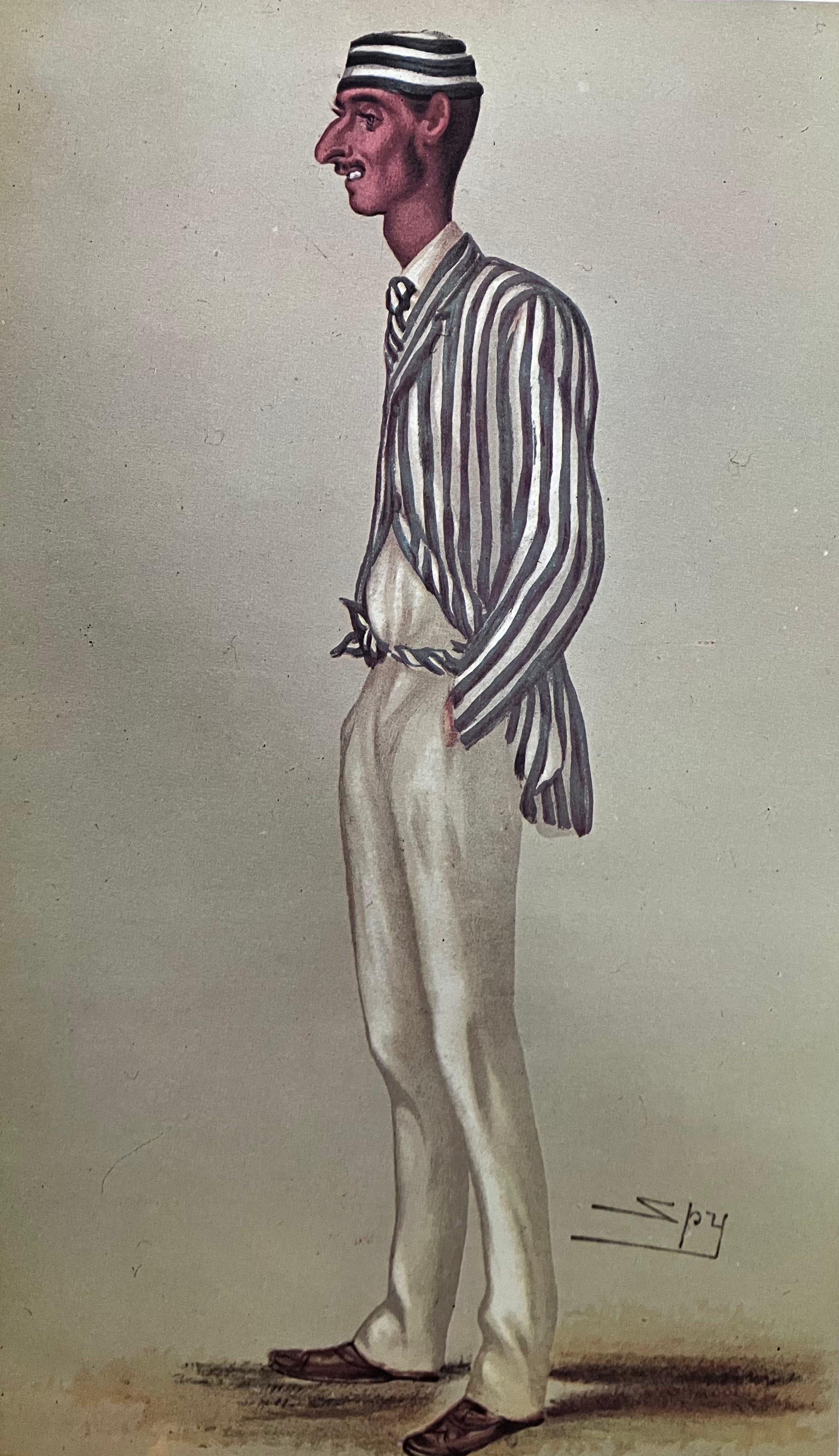
Today marks the centenary of the death of Frederick Spofforth, the original Australian cricket hero. Charles Bannerman scored the inaugural Test century, and Tom Kendall came by the first match-winning bag, but these achievements were isolated. In the decade following the first Test match, Spofforth was the world’s most menacing bowler, taking 733 first-class wickets at 14.4. By routing Marylebone at Lord’s in 1878 and England at the Oval four years later, Spofforth also created a persona, vulpine and mephistophelean, almost as compelling as his foremost English rival, Dr WG Grace. It helped that in a game where the action occurs so far from spectators, his figure was unmistakable, almost a counterpoint to Grace’s bearded bulk: tall, lanky, beaky, moustachioed. On that original tour, said his teammate Tom Horan, people flocked merely for a glimpse of him.
At Wayside stations in distant counties little country lads – and old ones too – would flatten their noses against carriage windows, and ask ‘which be demon’? In the narrow tortuous street of a Yorkshire village, hatless women in ‘wooden shoon’ would rush to see the ‘demon’ and his comrades. At Liverpool an old man came 40 miles to see the ‘demon’ bowl. It happened that Spofforth was not bowling when the old man came and the latter went at once to Conway and said, ‘Put on demon; I have come 40 miles to see him bowl.’
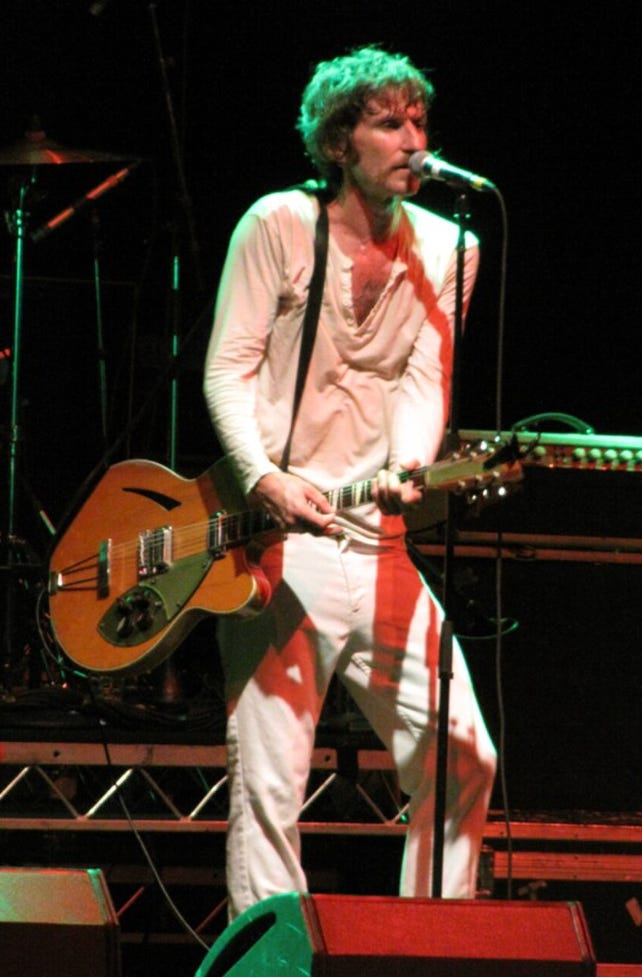
Rev RL Hodgson, ‘Country Vicar’ of The Cricketer, likened ‘The Demon’ to the Spirit of Evil in Faust: ‘A long face, somewhat sardonic; piercing eyes; a hooked nose; and his hair, parted in the middle, giving the impression of horns. He was also immensely tall, lean, sinewy and loose limbed — with long thin arms; he would have looked the part of the stage-demon.’ Et Al subscriber Tim Rogers would play at least the young Spoff in the biopic.
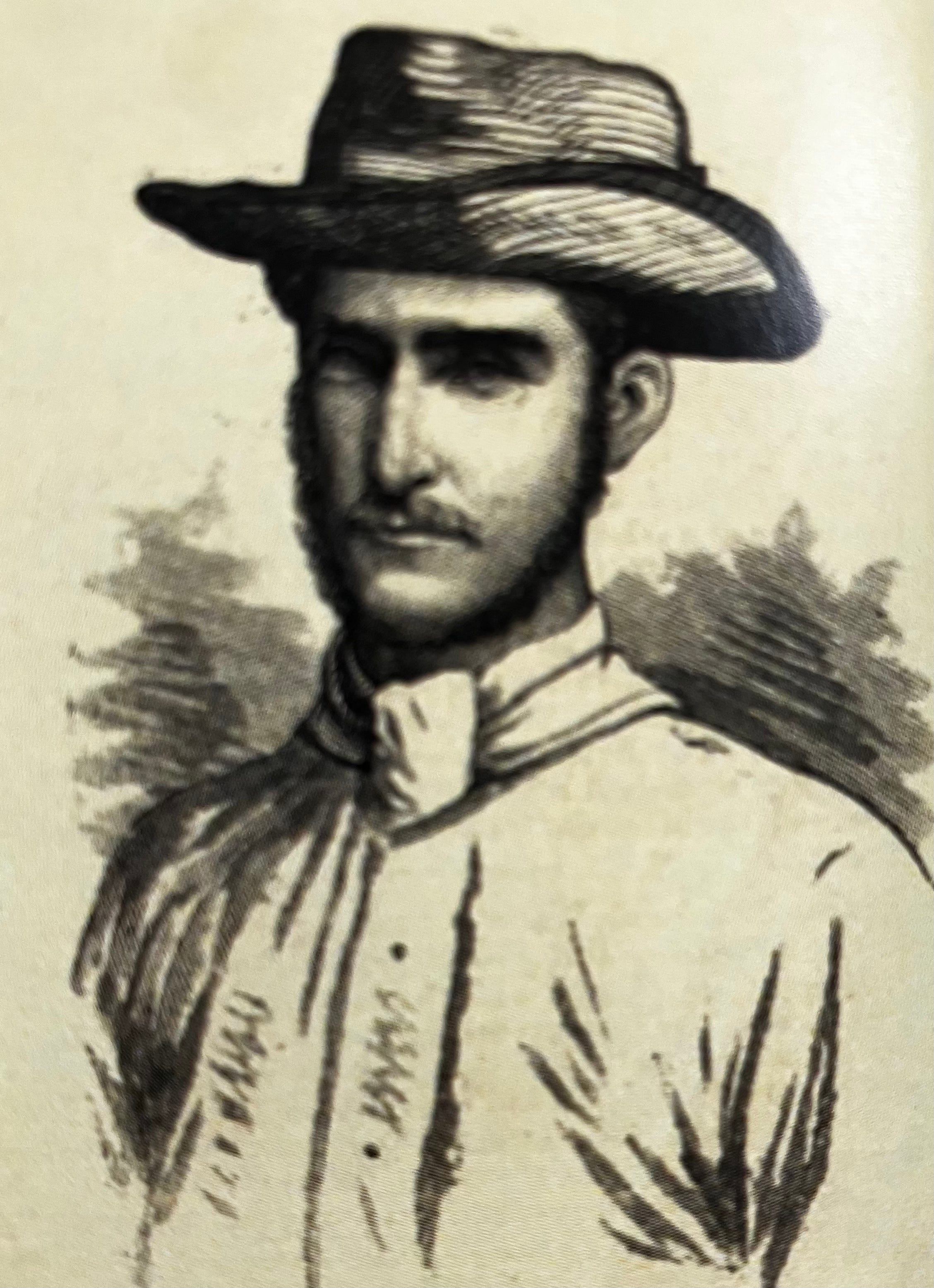
On his death in 1926, Spofforth left an estate of $164,000 - equivalent, by the calculations of historian Ric Sissons, to $52 million. These, of course, were largely Spofforth’s post-cricket earnings, after he emigrated to England and prospered in the tea business. But one suspects Spofforth approached investment with the same minute intent as cricket. He was not, in fact, among the more militant personalities in his restless age, standing out of the players’ 1885 strike. Perhaps Spofforth was always confident of his being able to look after himself - did not feel an urgency to cash his cricket in while the going was good. Certainly, Australia has fielded few cricketers more confident of their skills, and their capacity to reproduce them under pressure. ‘This thing can be done’ is the foundational Australian cricket quotation, and remains a kind of national mission statement. Every time Como Park hosts a big game, I have a Yarras teammate who loves to trot it out on the club WhatsApp.
Pleasingly, the anniversary has not passed unnoticed, with a seminar convening this Saturday on The Life and Times of Frederick Robert Spofforth, admirably convened by Ronald Cardwell. The papers, including excellent contributions from the aforementioned Ric Sissons, Spofforth’s biographer Richard Cashman, and new Substack recruit Pat Rodgers, are to be published.
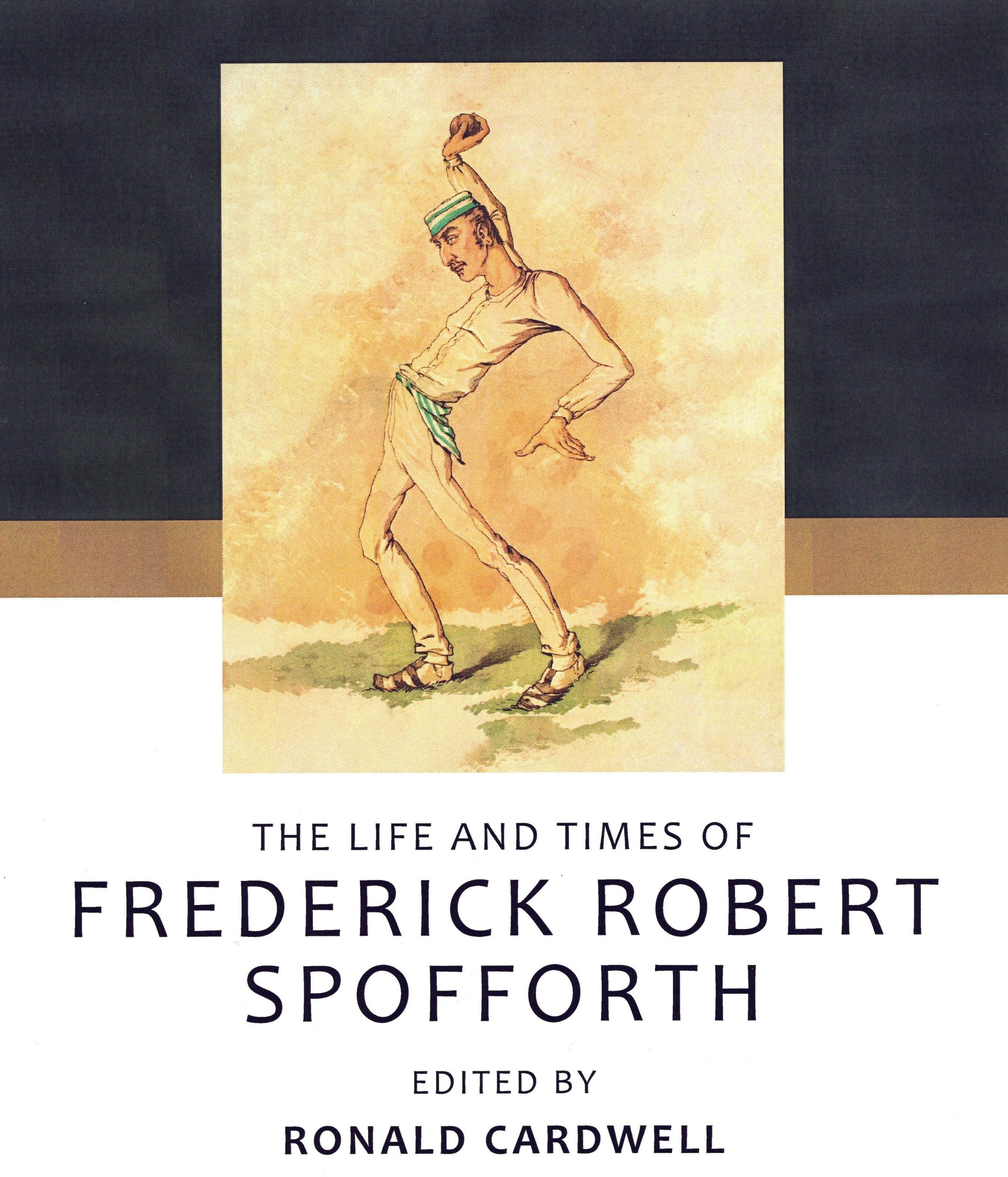
It’s good meaty stuff. James Cattlin looks at Spofforth’s schooldays and Rob Franks at his youth in New Zealand, while Geoff Lawson, always worth reading, offers a lively appreciation of his antecedent as a strike bowler, grappling with that perennial question - what manner of bowler was he?
Keep reading with a 7-day free trial
Subscribe to Cricket Et Al to keep reading this post and get 7 days of free access to the full post archives.