

10 Things #57
Books, lots of them

1/ The IPL is on.
2/ Every season I swear I’m going to follow it right the way through, but after a while my interest attenuates and I find something better to do, this year being no exception. I got about fifty game in, this time: the year after next, worryingly, fifty games will only be the halfway point. I’m not proud of this, by the way, and I’m full of admiration for my old confrere Jarrod Kimber, who writes copiously and minutely about the league at Good Areas. Sid Monga and Kartik Krishnaswamy usually compel reading at Cricinfo too. Otherwise the nightly task of covering the IPL feels like something better left to AI, like recaps of The Bachelor, instantly perishable, imminently superceded. Vaibhav Sooryavanshi has been worth staying up for, and there’ve been a few bits of vintage Virat. But the daily bonfires of bowling are more about television than cricket, and there’s a lot to this critique from Sartak Dev, to whose Lines In the Grass I commend you.
In school, during computer lab periods, while the teacher made her rounds checking if we’d finished our C++ assignments, we played a browser game called Stick Cricket. It was cricket reduced to its barest bones—a stick figure at the crease, a thinner stick-figure bowler delivering the ball, and two or three shots to choose from. You picked a direction, pressed your arrow key, and the ball flew. It was incredible fun: I once scored some 400 in 10 overs playing with Bradman and Sobers. You could finish an entire match in the time it took the teacher to walk from one end of the lab to another. It was too ludicrous a caricature to venture beyond browsers and mobile phones.
By making cricket a mirror image of this, by pushing the conditions so far in favour of the batters that bowlers become secondary citizens, you deny the sport its central tension. And without tension, without a strong pull to a push, there is no story. You lay the road for fewer matches that test every skillset of the sport. You arrive, eventually, at scores above 250 in World Cup semi-finals and finals, and 264 getting chased in two hours flat, without sweat. You arrive at a version of the sport where the highlights reel and the full match feel roughly the same, and every frame has the same species in the centre. No amount of shrieking hyperbole from the commentary box can conceal the foundational hollowness of such a thing.
3/ While I’m in a recommending vein, pray also welcome the admirable Pat Rodgers to the cricket end of Substack, promising ‘forgotten stories from cricket’s past’. Pat’s new book with Peter Lloyd is likewise very handsome.
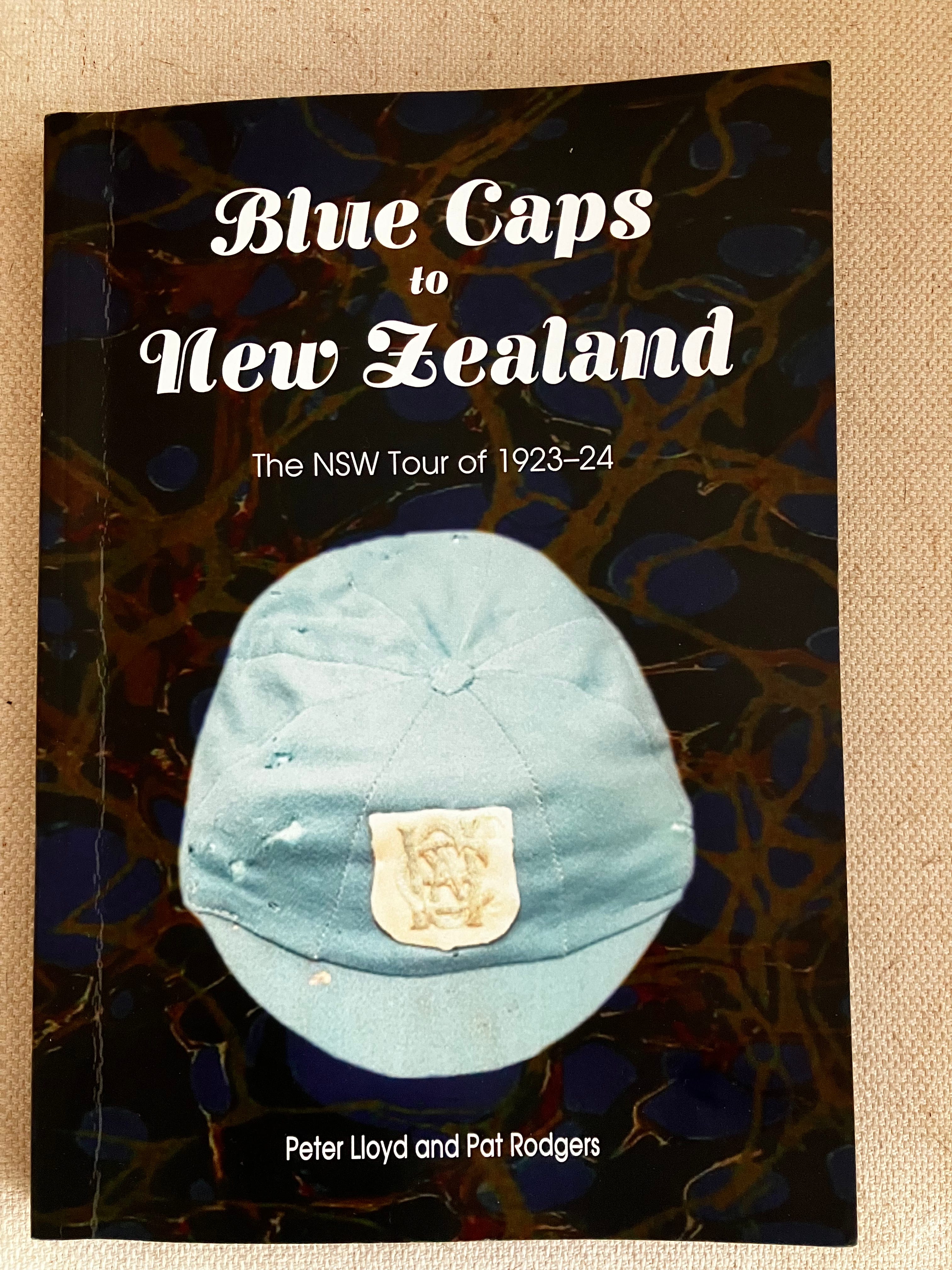
4/ Closer to the present, I also approve this on the eponymous site of Et Al’s fellow escapee from The Australian, Michael West. In search of purported cost savings, Cricket Australia has lately been restructuring its information technology area with extreme prejudice. A whistleblower now makes allegations of self-dealing, partly because the personnel upheaval caused the neglect of procurement protocols. There but for the grace of God go many corporates. But it’s a poor look for an organisation battling for credibility as a steward for the game, inviting questions about management processes and culture. Further discussion on the pod, and more to come from Pete later.
5/ Quite by chance, I was present for both of Andrew Hilditch’s Test hundreds, at the MCG and at Headingley. Can you believe he today turns 70? Even in the 2010 interview with Simon O’Donnell that follows these highlights, he looks a young man.
In this lovely interview with his daughter, meanwhile, Hilditch goes into his experiences as an Australian selector, and their family consequences - well worth a listen.
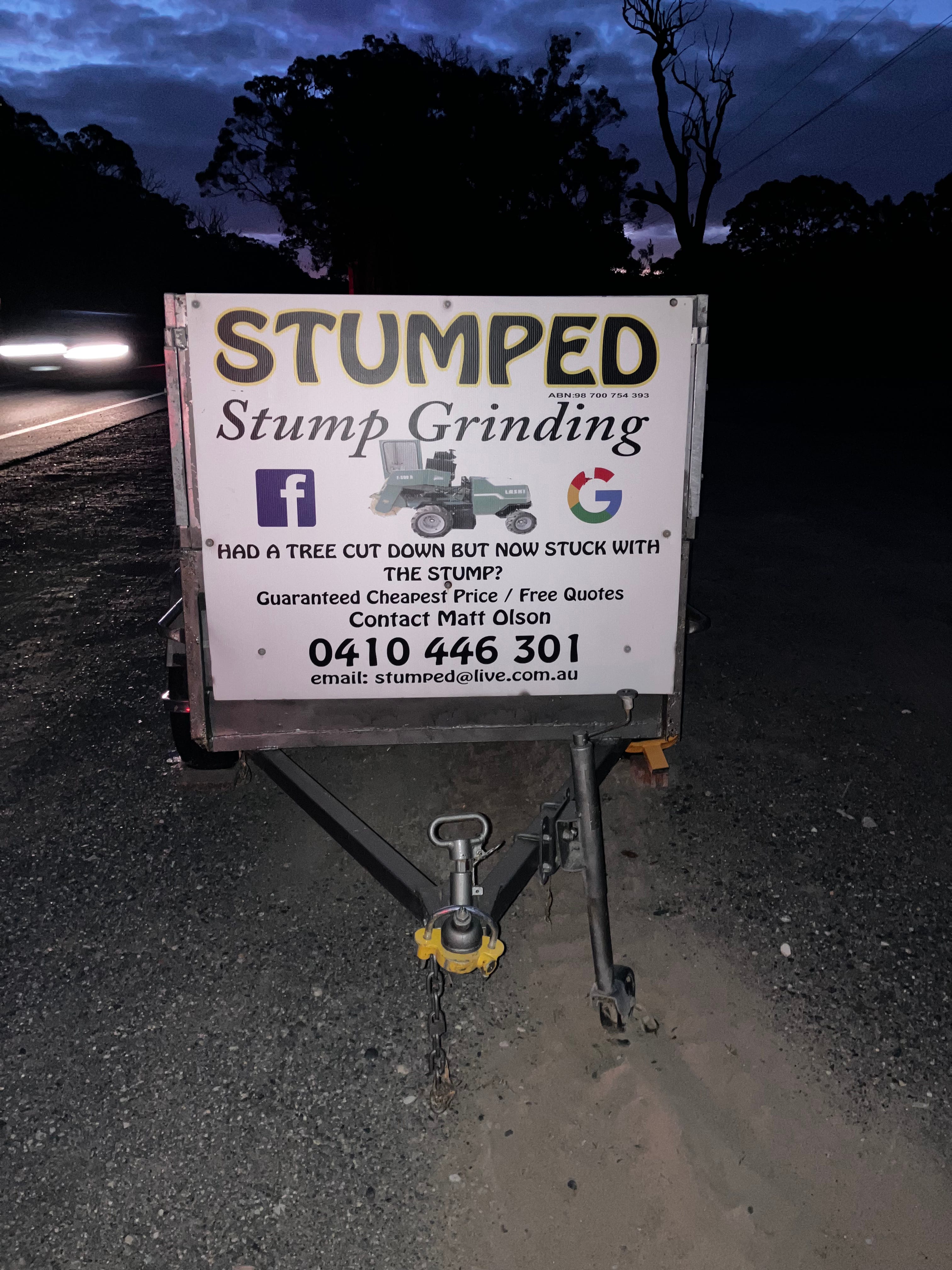
6/ This half of Et Al had family duties last week on the NSW Central Coast, where I also just missed Mi-Sex….

….but encountered some choice local businesses….
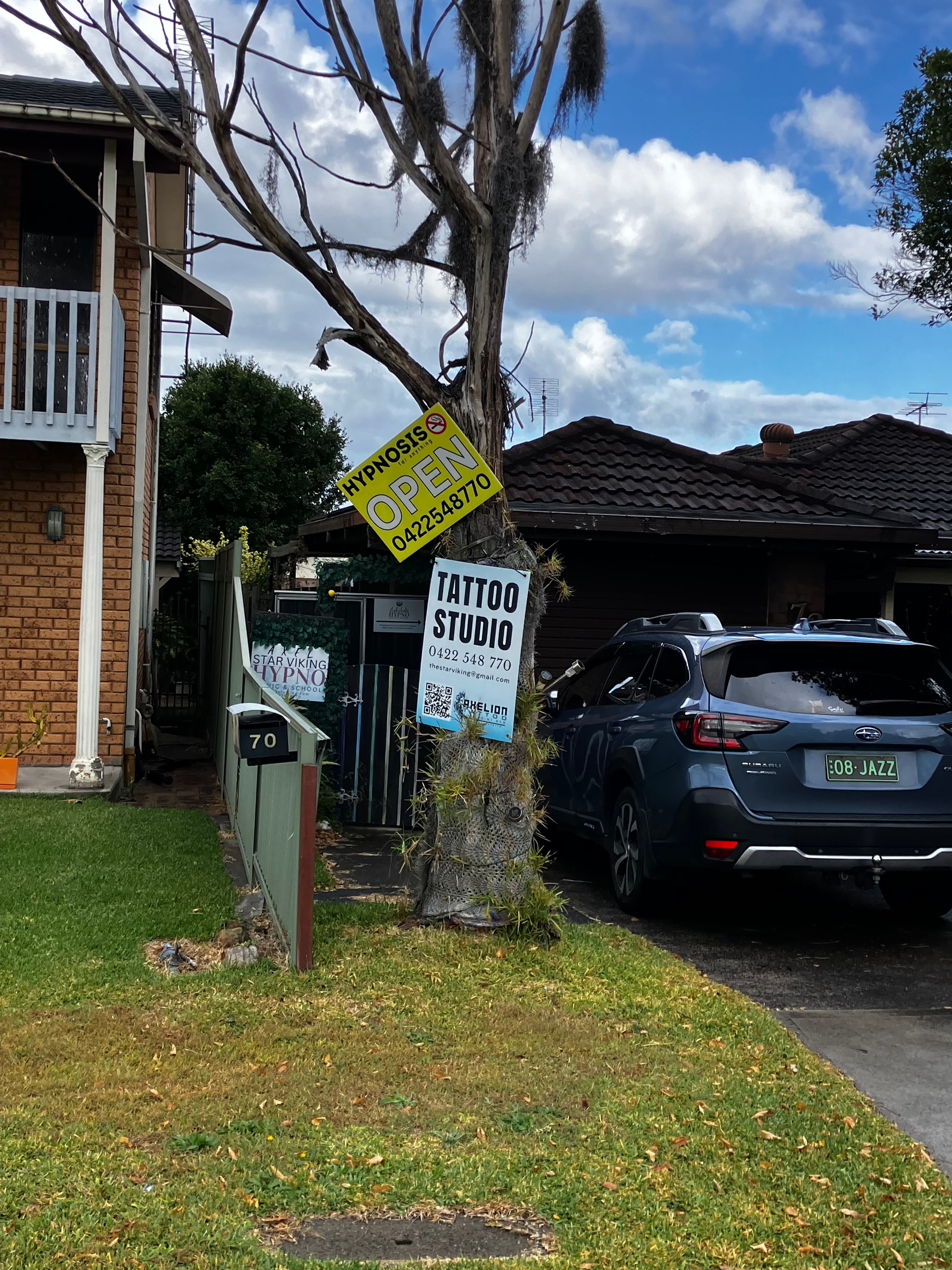
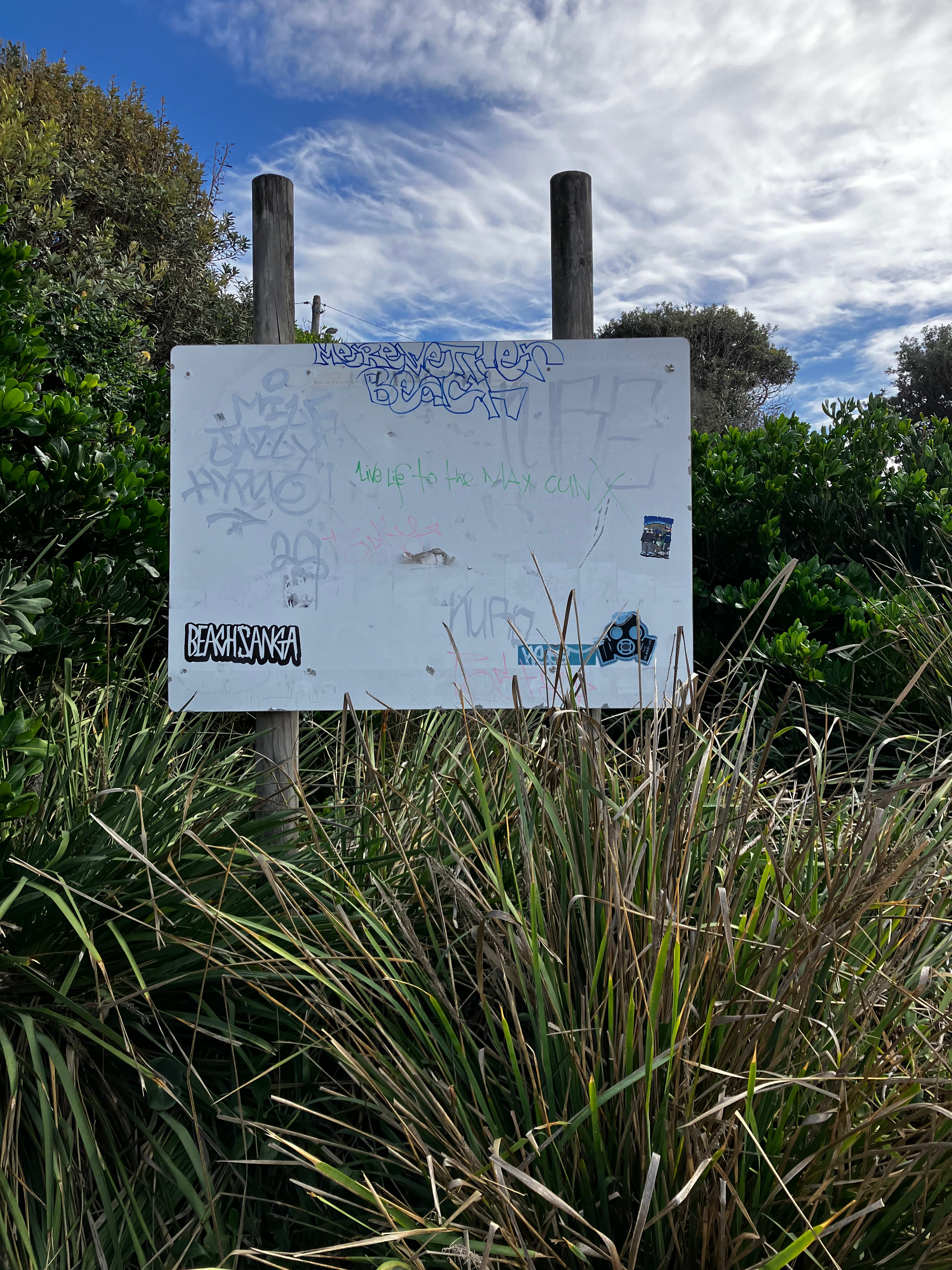
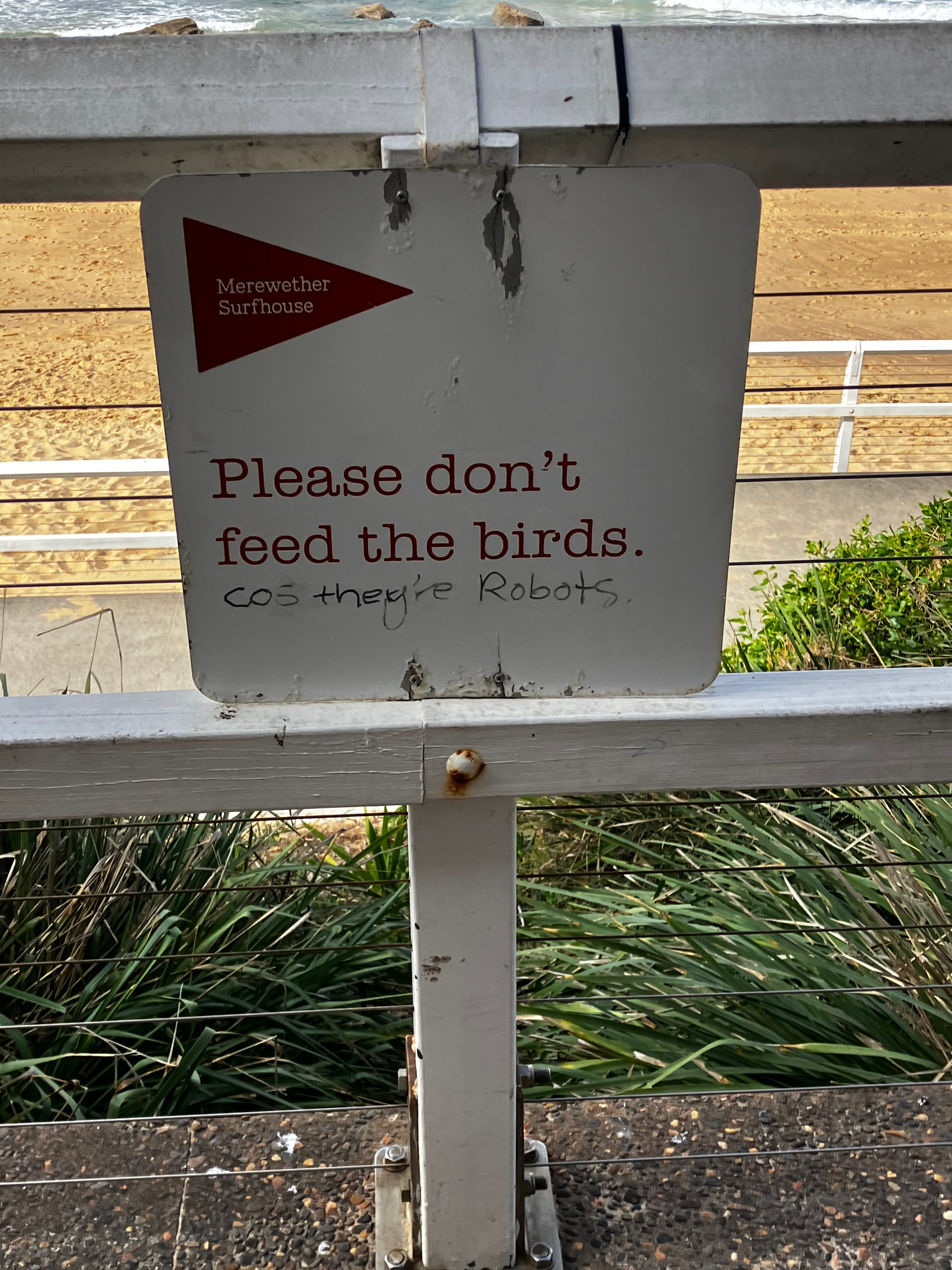
….and other distinctive signage…..
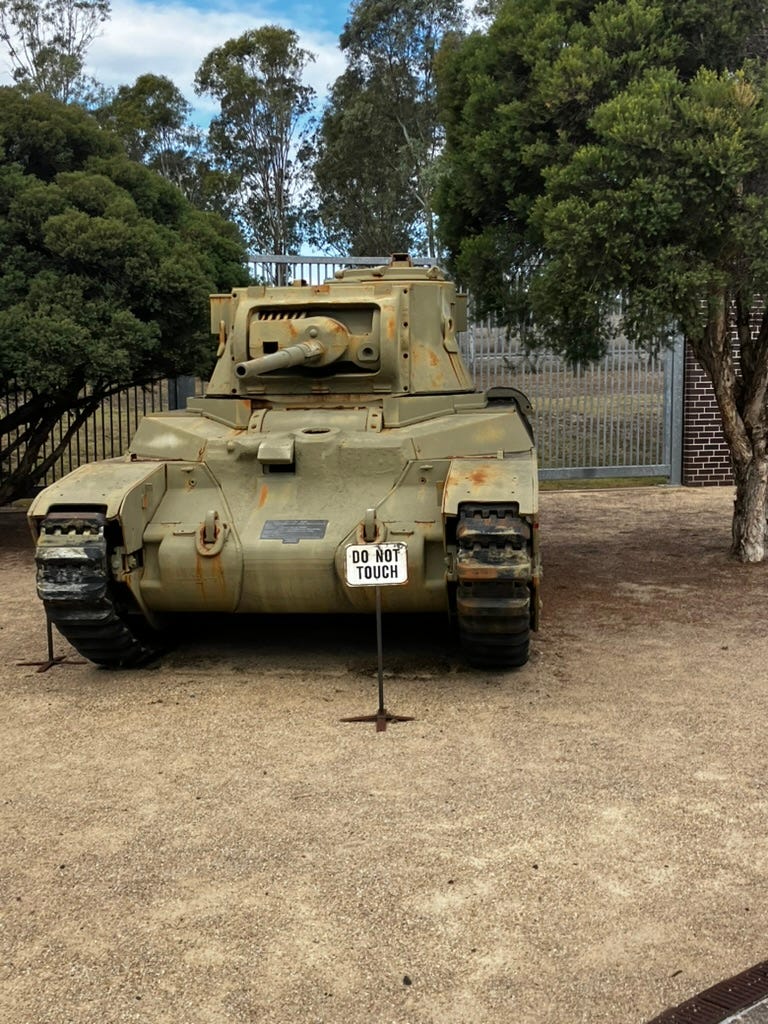
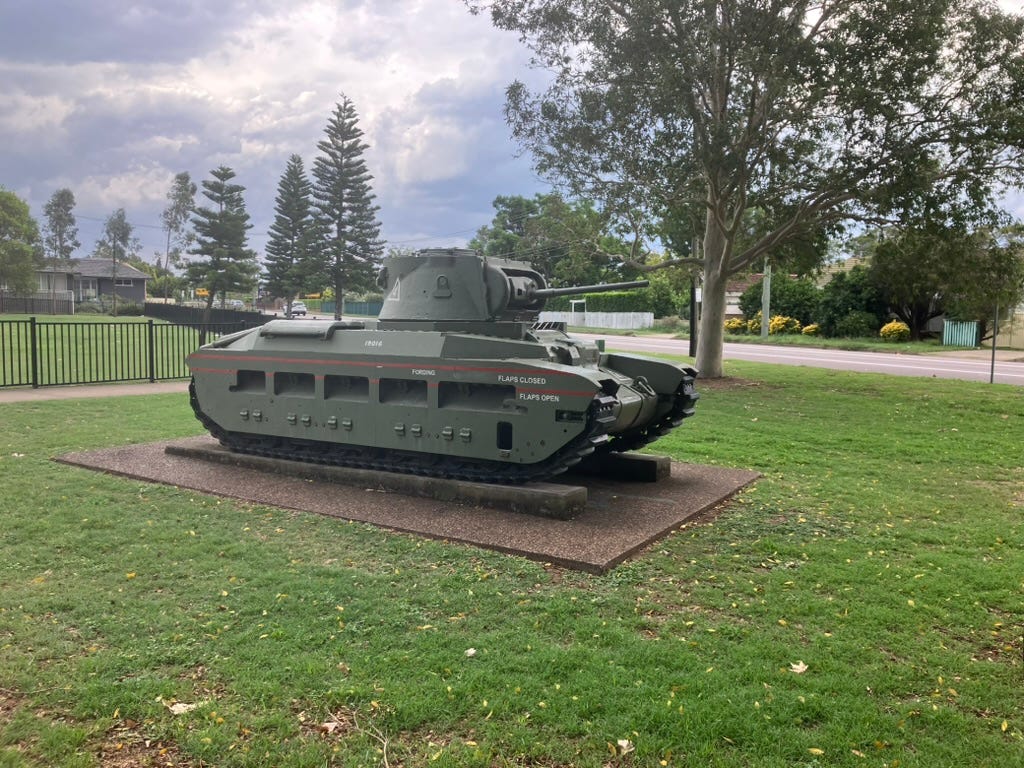
7/ Also not one but two examples of a favourite tank, the Matilda II….
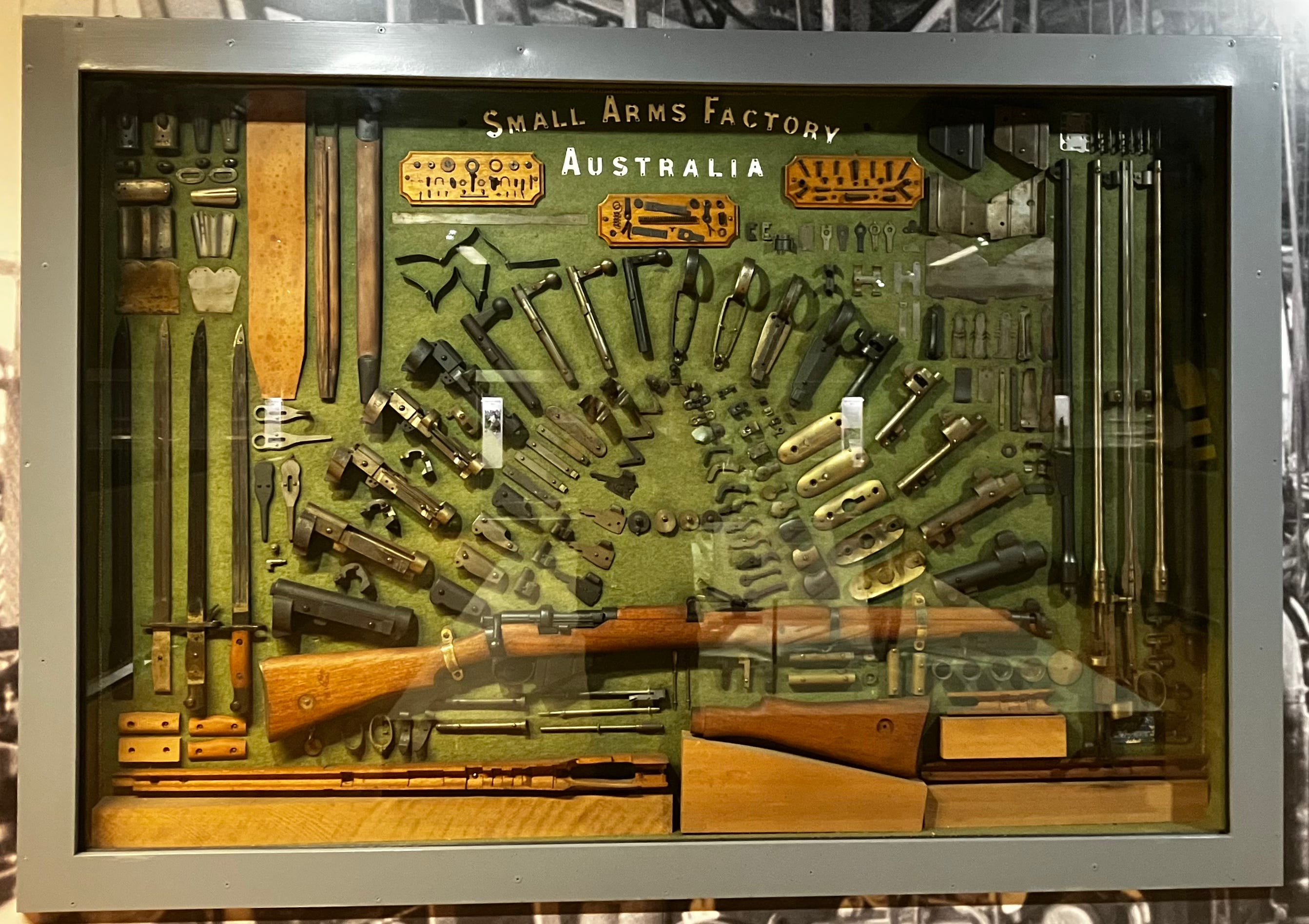
….and at Singleton’s Infantry Museum this mounted display of the components of a Lee-Enfield Mark III proudly fanned by the Lithgow Small Arms Factory in its inaugural year of 1912: three decades later it produced 135,275 in a single year!
8/ There’s one reason fewer to ever go to Perth: the closure of Boffins Books, foreshadowed by its owner last week. I never failed to leave with half a dozen books, marvelling at their variety and improbability. We’re all the poorer for the loss of an independent bookshop, especially in the wake of the grim news about Berkelouw Books. D-Day for Boffins is D-Day: 6 June. If you’re in the neighbourhood, do show your support for hardworking owner Lou Pontarolo.
9/ The Archives Liberation Front, however, remains if not open for business at least ajar, and last week reached a landmark: one copy remains of Who Is Wallace?, my retelling of 1925’s King Street Murder, and the perpetrator who became the oldest prisoner in history. Order it now, and I will throw in The Momentous Uneventful Day, my requiem for the office and office life in the age of WFH.
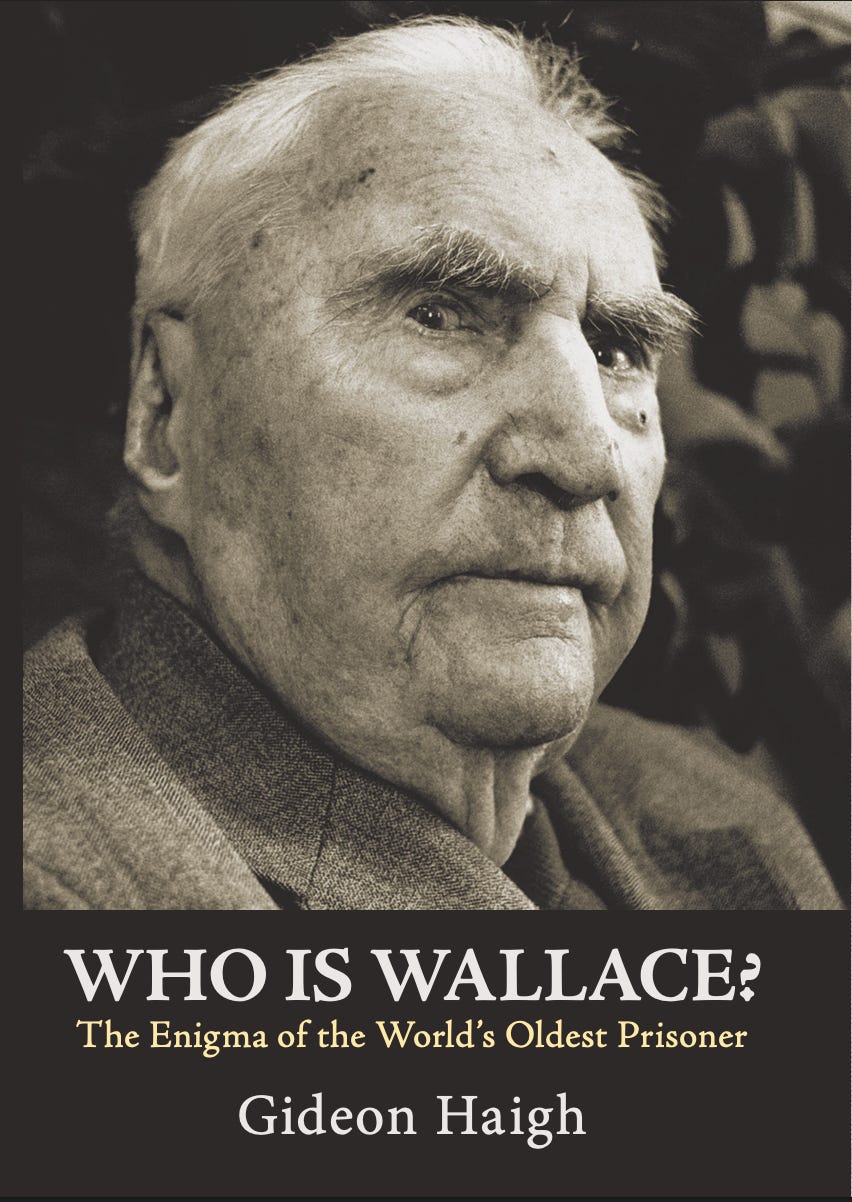
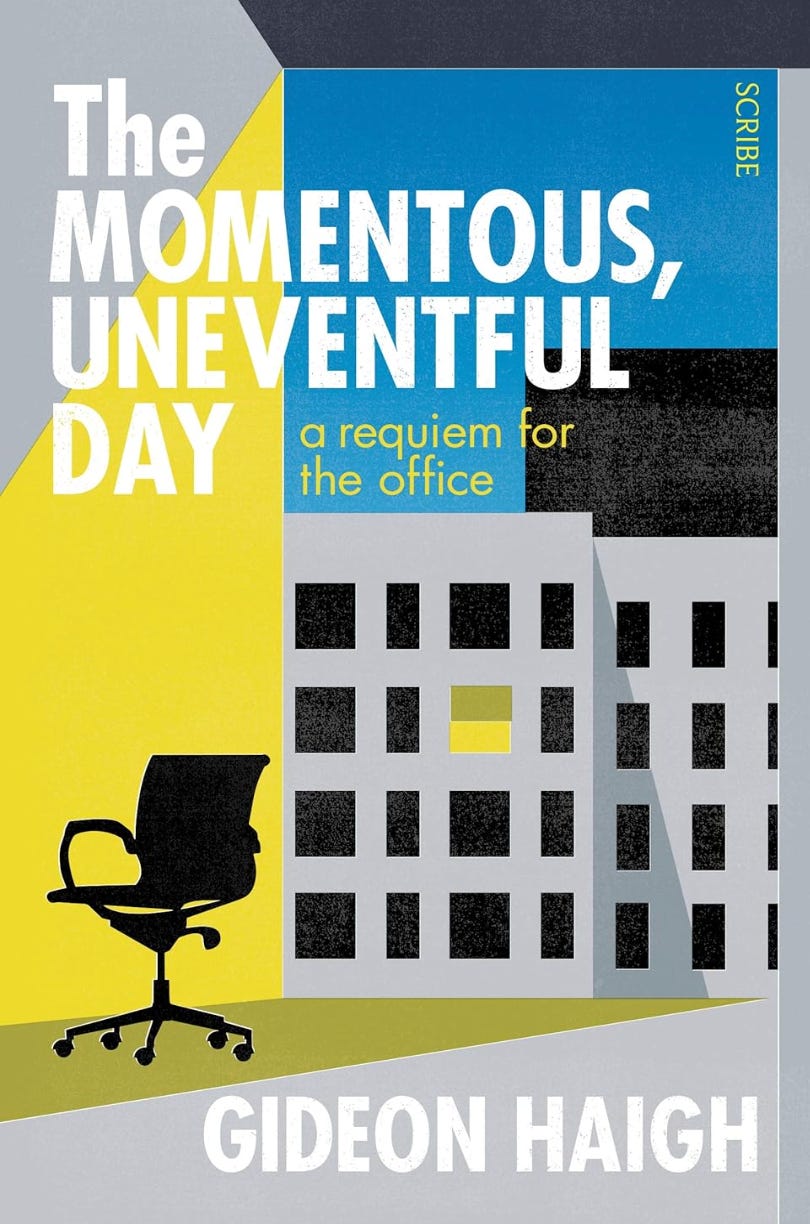
The ALF can now start shifting sundry other units, including a couple of residual boxes of The Girl in Cabin 350, concerning the mysterious 1949 disappearance of teenage nurse Gwenda McCallum, and The One Indiscretion of His Life, my short biography of the rough-hewn cricketer-footballer William Carkeek - both lovely hardbacks, both currently taking up valuable shelf space at Et Al’s North Melbourne quarters. Everything must go! Priced to clear at $45, payable to bsb 733152, acct no 525322. Just drop me a line with your address: gideonhaigh@hotmail.com.


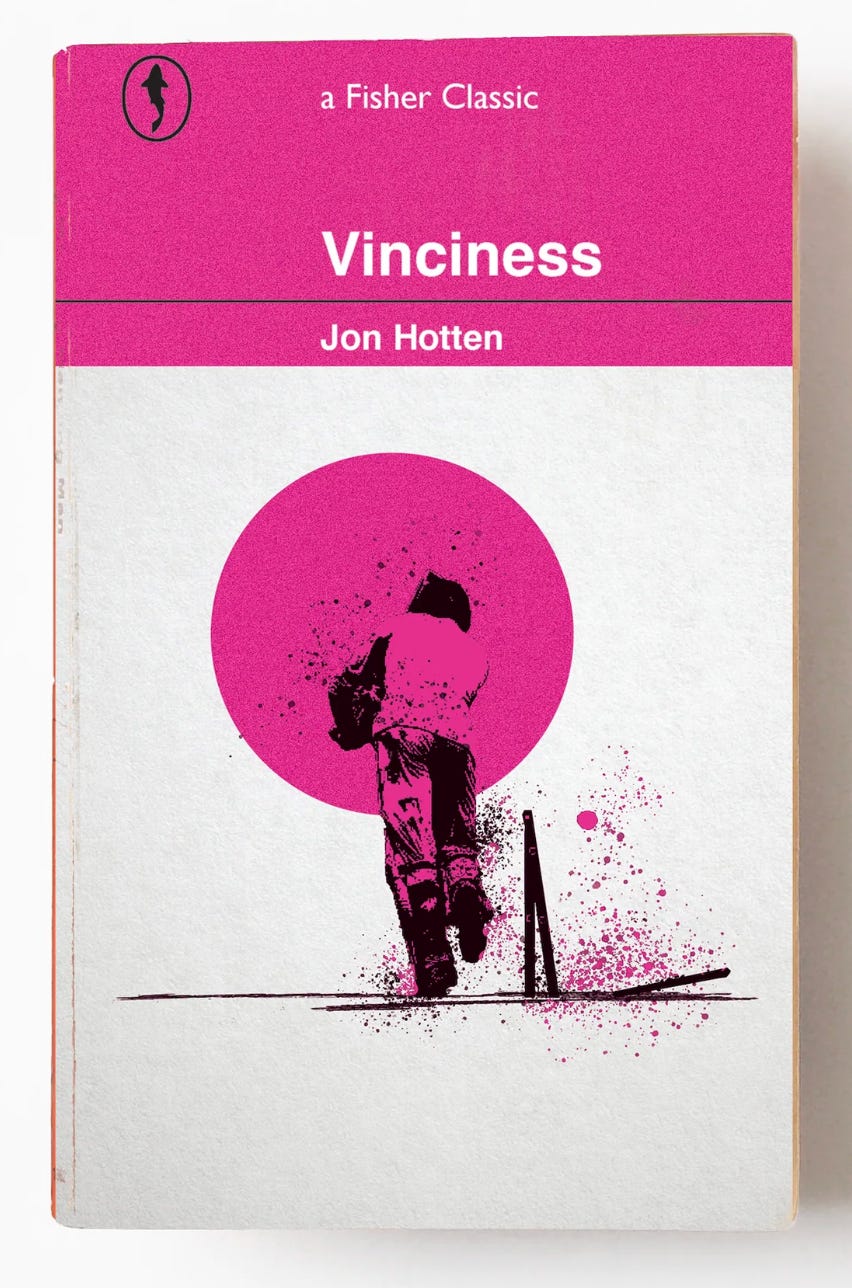
10/ Finally, at the risk of turning today’s 10 Things into an online bazaar, Dan brings word of the forthcoming paperback of Jon Hotten’s Vinciness, about whose hand-tooled hardback edition I wrote here. We’ve all known that feeling on the cover…..
Are u sure “Vinci ness” is not a book on art history?
Even watching a 50 ball century is boring.